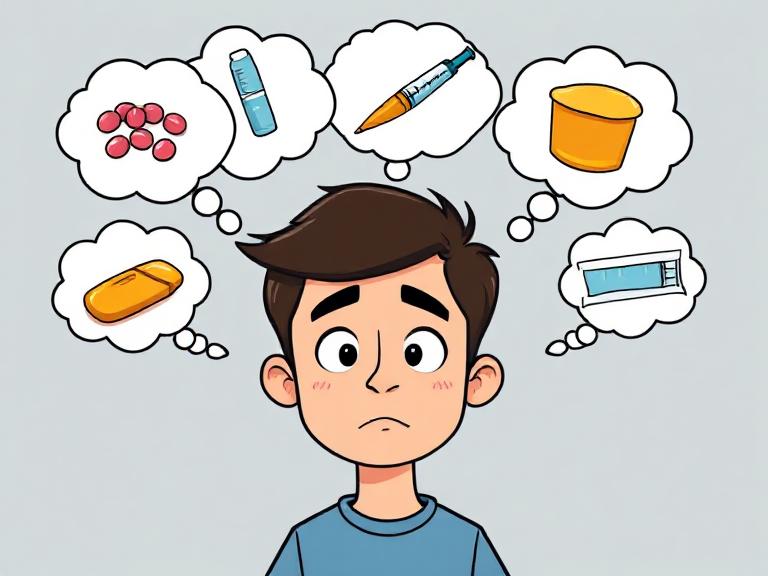
Acne and pimples are common skin concerns that affect individuals of all ages, often leading to frustration and impacting self-confidence. Determining what is the best treatment for pimples and acne depends on factors such as the severity of the condition, skin type, and underlying causes. This article explores effective treatments for pimples and acne, combining over-the-counter solutions, prescription options, lifestyle changes, and professional interventions.
Over-the-Counter Treatments 💊
When exploring what is the best treatment for pimples and acne, over-the-counter (OTC) products are often the first step for mild to moderate cases. Here are some key ingredients to look for:
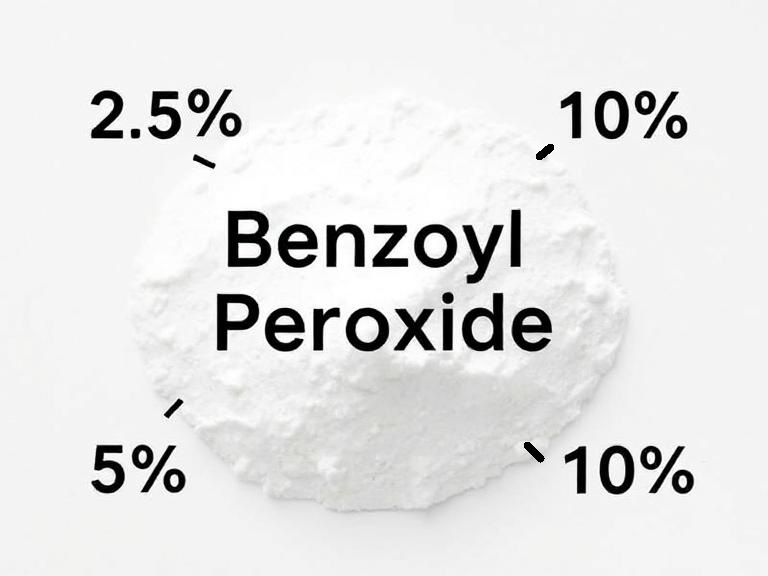
- Benzoyl Peroxide: Kills acne-causing bacteria and reduces inflammation. Available in 2.5%, 5%, or 10% strengths, it’s found in cleansers, gels, and spot treatments. Start with a lower concentration to avoid irritation.
- Salicylic Acid: Helps unclog pores by exfoliating dead skin cells. It’s ideal for blackheads and whiteheads and is available in cleansers, toners, and serums (0.5%–2% concentration).
- Retinoids (Adapalene): Previously prescription-only, adapalene (e.g., Differin Gel) is now available OTC. It prevents clogged pores and promotes cell turnover, reducing acne over time.
- Alpha Hydroxy Acids (AHAs): Ingredients like glycolic acid exfoliate the skin, improving texture and preventing clogged pores.
Prescription Treatments 💉
If you seek the best treatment for pimples and acne in moderate to severe cases, a dermatologist may recommend prescription options:
- Topical Retinoids: Stronger retinoids like tretinoin or tazarotene target severe acne and promote skin renewal.
- Antibiotics: Topical or oral antibiotics (e.g., clindamycin, doxycycline) reduce bacteria and inflammation. They’re often paired with benzoyl peroxide to prevent resistance.
- Oral Contraceptives: For women with hormonal acne, birth control pills can regulate hormones and reduce breakouts.
- Isotretinoin: Reserved for severe, cystic acne, isotretinoin (e.g., Accutane) is highly effective but requires close monitoring due to potential side effects like dry skin and liver changes.
Professional Treatments 🩺
For persistent or severe acne, professional interventions can provide faster results:
- Chemical Peels: Exfoliate the skin to unclog pores and reduce scarring.
- Laser and Light Therapy: Target bacteria and reduce oil production. These are effective for inflammatory acne.
- Extractions: Performed by a dermatologist, extractions safely remove blackheads and whiteheads.
- Cortisone Injections: For large, painful cysts, a cortisone shot can reduce inflammation quickly.
Lifestyle Changes for Acne Management 🏃😴💧
Adopting healthy lifestyle habits can significantly improve acne by addressing underlying triggers and supporting overall skin health. Here are some practical tips to incorporate into your daily routine:
- Dietary Adjustments: Research suggests that high-glycemic foods (e.g., white bread, sugary drinks) and dairy products like milk and cheese can exacerbate acne in some people. Opt for low-glycemic foods such as whole grains, legumes, and vegetables. Include anti-inflammatory foods like fatty fish (e.g., salmon), nuts, and berries to support skin health. Consider keeping a food diary to identify potential trigger foods.
- Hydration: Drink plenty of water (aim for 8–10 glasses daily) to keep your skin hydrated and flush out toxins. Proper hydration supports skin cell turnover and prevents excess oil production.
- Sleep Quality: Aim for 7–9 hours of quality sleep per night. Poor sleep can increase stress hormones like cortisol, which may worsen acne. Establish a calming bedtime routine, avoid screens before bed, and keep your bedroom cool and dark.
- Exercise Regularly: Physical activity improves blood circulation, delivering oxygen and nutrients to the skin. Aim for 30 minutes of moderate exercise (e.g., walking, yoga, or cycling) most days of the week. Shower promptly after sweating to prevent clogged pores.
- Limit Makeup Use: Choose non-comedogenic makeup products and avoid heavy, oil-based foundations that can clog pores. Remove makeup thoroughly every night to allow your skin to breathe.
Home Remedies 🍯
In addition to lifestyle changes, home remedies can complement your acne treatment routine. These natural and accessible solutions can soothe inflammation and promote healthier skin:
- Tea Tree Oil: Known for its antibacterial and anti-inflammatory properties, diluted tea tree oil (5–10% concentration) can be applied as a spot treatment to reduce redness and swelling. Always dilute with a carrier oil like jojoba to avoid irritation.
- Aloe Vera: This soothing gel reduces inflammation and hydrates the skin. Apply pure aloe vera gel to affected areas after cleansing, or use it as a mask for 10–15 minutes before rinsing.
- Honey and Cinnamon Mask: Honey has natural antimicrobial properties, and cinnamon can reduce inflammation. Mix 1 tablespoon of raw honey with a pinch of cinnamon, apply to clean skin, and leave on for 10 minutes before rinsing.
- Green Tea Rinse: Green tea is rich in antioxidants that combat inflammation. Brew a cup, let it cool, and use it as a facial rinse or apply with a cotton pad to calm irritated skin.
- Apple Cider Vinegar Toner: Dilute 1 part apple cider vinegar with 3 parts water and use as a toner to balance skin pH and reduce oiliness. Test on a small area first to ensure your skin tolerates it.
What’s the Best Approach?
There’s no one-size-fits-all solution for acne. The best treatment for pimples and acne depends on your skin type, acne severity, and lifestyle. For mild cases, start with OTC products like benzoyl peroxide or salicylic acid. For persistent or severe acne, consult a dermatologist for prescription treatments or professional procedures. Combining medical treatments with a consistent skincare routine and healthy lifestyle maximizes results.
The Most Effective Home Remedy for Acne
Topical benzoyl peroxide for acne (research paper)
Topical Retinoids in Acne Vulgaris: A Systematic Review (research paper)