
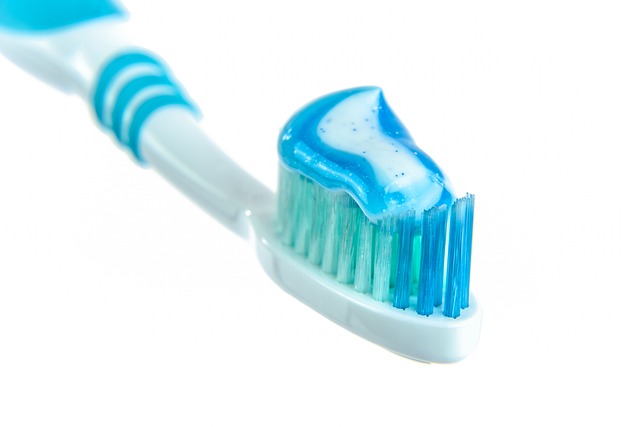
When a pimple pops up right before a big event, you’ll try almost anything to get rid of it—fast. One of the most common old-school tricks is dabbing a bit of toothpaste on it. But does this actually work? And is it safe?
Let’s dig into what really happens when you apply toothpaste to your acne, what it might do temporarily, and why it’s not the miracle fix people think it is.
Why People Use Toothpaste on Pimples
Toothpaste contains ingredients that seem like they’d help with acne:
- Baking Soda (Sodium Bicarbonate)
- Effect: Mildly exfoliates and absorbs oil
- Hydrogen Peroxide
- Effect: Antibacterial properties that may reduce surface bacteria
- Alcohol (e.g., Ethanol, Denatured Alcohol)
- Effect: Dries out pimples by reducing oil
- Triclosan(now banned in many countries but still found in older products)
- Effect: Antibacterial agent once used to reduce oral bacteria
- Menthol
- Effect: Cools and soothes irritation, giving a “clean” feeling
- Sodium Lauryl Sulfate (SLS)
- Effect: Cleansing and foaming agent that can strip oil from the skin
- Essential Oils (e.g., Peppermint, Spearmint)
- Effect: May provide mild antibacterial and cooling effects
Many of these ingredients are drying agents, and since acne is often associated with excess fluids, it makes sense that people would think drying out a pimple could make it go away faster.
Toothpaste Might Temporarily Shrink a Pimple
If you apply a tiny amount of toothpaste directly onto a pimple—especially a whitehead or inflamed red bump—it may shrink in size overnight. This happens because many toothpaste formulas are extremely drying, which can temporarily reduce inflammation and oil in the area.
However, there are risks:
- Skin irritation and redness
- Dryness or peeling
- Burning sensations
- Worsened acne due to skin barrier disruption
The skin on your face is more sensitive than the inside of your mouth, and most toothpaste products aren’t tested for facial use. What works for plaque removal might end up stressing or damaging your skin.
Temporary Shrinking ≠ True Healing
Even if your pimple looks smaller after using toothpaste, that doesn’t mean it’s healed. Toothpaste does nothing to address the root causes of acne, such as:
- Bacterial buildup
- Clogged pores
- Excess oil production
- Hormonal fluctuations
Worse, the irritation caused by toothpaste can inflame your skin further or cause dark spots (post-inflammatory hyperpigmentation) once the pimple fades. Repeated use may also weaken the skin’s protective barrier, making you more prone to breakouts in the long run.
Better Alternatives for Treating Acne
Instead of toothpaste, reach for treatments designed to be both effective and skin-safe:
- Benzoyl peroxide (2.5–5%) – kills acne-causing bacteria
- Salicylic acid (0.5–2%) – helps unclog pores
- Niacinamide (Vitamin B3) – reduces inflammation and strengthens the skin barrier
- Tea tree oil – natural antimicrobial (use diluted)
- Adapalene (Differin) – prevents clogged pores and reduces inflammation
- Azelaic Acid – kills bacteria, reduces inflammation, and fades dark spots
The Final Word
Yes, toothpaste can shrink a pimple in the short term—but it’s not a real treatment, and it comes with risks. If you’re desperate for a quick fix, use a clean ice cube to reduce swelling and follow up with a proper acne treatment.
https://acnecuring.com/the-best-sunscreens-for-acne-prone-skin/

3 thoughts on “Does Toothpaste Really Work to Shrink Acne? Benefits, Risks & Better Alternatives”
Comments are closed.