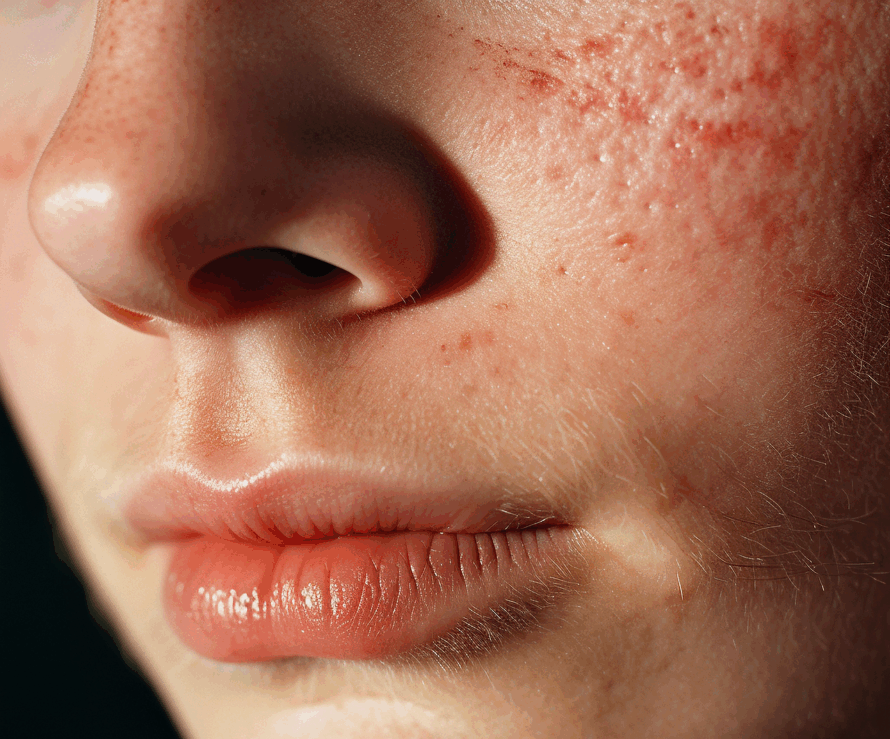
A question almost every chocolate lover has wondered at some point: Does chocolate cause acne? The short answer is — not exactly. While chocolate itself isn’t the villain, some ingredients and types of chocolate can influence acne breakouts, especially when combined with other dietary and lifestyle factors.
Let’s break it down.
What’s Actually in Chocolate? 🤔
Chocolate, in its purest form — cacao — is rich in antioxidants, flavonoids, and even some skin-friendly minerals like zinc. However, most of the chocolate we eat is far from pure cacao. The typical chocolate bar or sweet treat contains:
- Sugar
- Milk or milk solids
- Cocoa butter
- Flavorings
- Additives or preservatives
These added ingredients are often the real culprits when it comes to skin issues.
What’s Really to Blame: Sugar and Dairy 🍬🥛
1. Sugar:
High sugar intake spikes blood sugar levels, which triggers the body to produce more insulin. Increased insulin can lead to increased oil production in the skin, potentially clogging pores and leading to breakouts. Many chocolate products — especially milk chocolate — are packed with refined sugar.
2. Dairy:
Milk-based ingredients, common in milk chocolate and white chocolate, may influence acne in certain individuals. Some studies suggest that dairy can increase levels of insulin-like growth factor 1 (IGF-1), a hormone that has been linked to acne flare-ups.
Types of Chocolate and Their Acne Risk 🍫
Milk Chocolate:
This type often has high amounts of both sugar and dairy, making it the most likely to contribute to acne issues. If you’re experiencing breakouts and love milk chocolate, it might be worth cutting back to see if there’s an improvement.
White Chocolate:
Despite its name, white chocolate contains no cocoa solids. It’s mostly made of sugar, milk, and cocoa butter — and can be even worse for your skin than milk chocolate due to its higher sugar content.
Dark Chocolate:
Dark chocolate has a higher percentage of cocoa and typically contains less sugar and little to no dairy, depending on the brand. Some studies have found a link between dark chocolate and acne, but these results are inconsistent. In moderate amounts, dark chocolate — especially with 70% cacao or higher — is less likely to cause skin issues and may even offer anti-inflammatory benefits.
Cocoa Powder:
Pure cacao (or raw cocoa powder) is generally not associated with acne. In fact, its antioxidant content may help reduce inflammation, which could benefit the skin. The problem often arises from what we add to cacao to make it more palatable and sweet.
So, Does Chocolate Cause Acne?
Not directly. Chocolate alone isn’t the enemy — it’s the sugar, dairy, and additives in most chocolate products that may contribute to acne. If you’re prone to breakouts, pay attention to the type of chocolate you’re eating and how much.