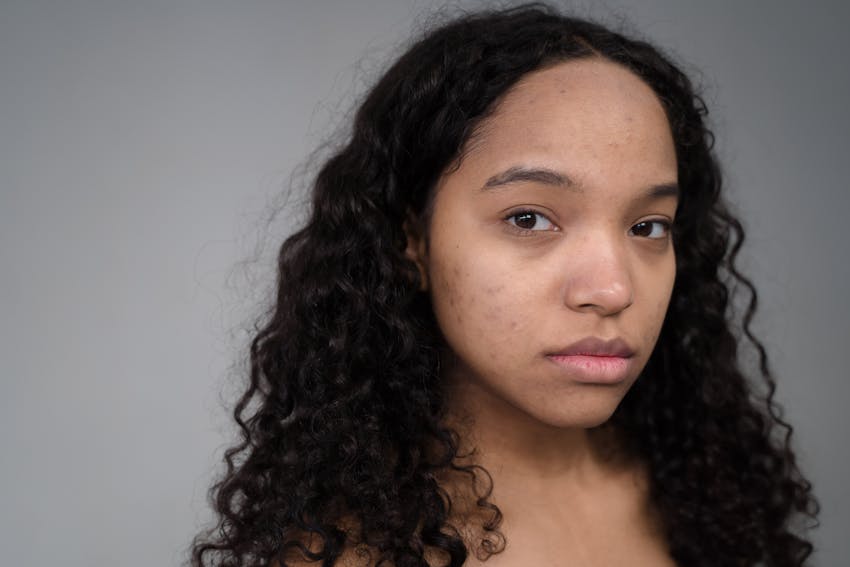
Acne scars can stick around long after breakouts fade, affecting your skin’s texture and your self-confidence. Fortunately, there are a wide range of effective treatments available today that help reduce or even eliminate acne scars. Whether you’re dealing with discoloration or deep, pitted marks, there’s likely a solution that fits your skin’s needs.
Below are the 10 most popular and proven treatments for acne scars.
1. Soft Tissue Fillers
Injectable fillers such as collagen, hyaluronic acid, or even your own fat can temporarily plump depressed scars, making the skin look smoother and more even. Although the results are not permanent, they can last several months to over a year with minimal side effects and a low risk of pigment changes.
Best for: Rolling and boxcar scars.
2. Laser Resurfacing
Laser resurfacing uses focused light to remove damaged skin and stimulate collagen production. It is one of the most sought-after methods for treating acne scars, especially deeper ones. However, it may carry increased risks for those with darker skin tones or a history of keloid formation.
Best for: Boxcar, icepick, and deep rolling scars.
3. Steroid Injections
For raised or hypertrophic acne scars, steroid injections help flatten and soften the tissue over time. These injections reduce inflammation and can improve the appearance of thick, stubborn scars significantly.
Best for: Raised scars and keloids.
4. Surgical Techniques
Surgical treatments can be very effective for deep acne scars, especially when other methods have failed.
- Punch excision removes individual scars and closes the wound with stitches or a skin graft.
- Subcision involves inserting a needle under the skin to break the fibrous tissue pulling the scar down.
These techniques are often combined with other treatments for the best results.
Best for: Deep boxcar and icepick scars.
5. Energy-Based Devices (Light & Radiofrequency)
Pulsed light and radiofrequency (RF) treatments help stimulate collagen remodeling without damaging the skin’s surface. These non-invasive procedures are known for their subtle, natural-looking results and minimal downtime.
Best for: Mild to moderate scars and skin tightening.
6. Skin Needling (Microneedling)
Also known as collagen induction therapy, microneedling involves rolling a device with tiny needles across the skin to create controlled micro-injuries. This encourages natural collagen production and improves skin texture with minimal risk of discoloration.
Best for: Rolling scars and overall skin texture improvement.
7. OnabotulinumtoxinA (Botox)
Sometimes acne scars are worsened by tension in the surrounding skin. Botox injections can help relax these muscles, smoothing the skin’s appearance. While temporary, this treatment is a helpful addition to a broader scar-reduction plan.
Best for: Scars made more noticeable by skin puckering or movement.
8. Dermabrasion
Dermabrasion involves removing the top layers of skin using a rapidly rotating device. It’s generally reserved for more severe scarring and can significantly improve skin texture. However, it carries a higher risk of pigmentation changes, especially in darker skin tones.
Best for: Deep scars and rough skin texture.
9. Chemical Peels
Chemical peels use acids like glycolic acid or trichloroacetic acid (TCA) to exfoliate the top layer of skin, promoting new skin cell growth. Mild and medium peels can be repeated over time, while deep peels are one-time procedures with more downtime.
Best for: Surface-level scars and hyperpigmentation.
10. At-Home Skincare & Sunscreen
A consistent skincare routine can greatly support scar fading. Daily use of sunscreen prevents further darkening and reduces contrast between scarred and healthy skin. Ingredients like azelaic acid and alpha hydroxy acids (AHAs) help exfoliate, brighten, and improve texture over time.
Best for: Mild scarring and post-inflammatory hyperpigmentation.
Final Thoughts
There’s no one-size-fits-all solution for acne scars. The right treatment depends on your skin type, the kind of scars you have, and how your skin reacts to different therapies. Whether you prefer in-office procedures or at-home remedies, these 10 popular options offer a solid foundation for improving your skin’s look and feel.
For optimal results, consult a dermatologist to develop a treatment plan tailored specifically to your needs.
Related articles:
Best Home Remedies for Shrinking Acne Scars
20 Natural Solutions for Acne Scar Prevention
Acne scars: What’s the best treatment?
Acne Scarring—Pathogenesis, Evaluation, and Treatment Options