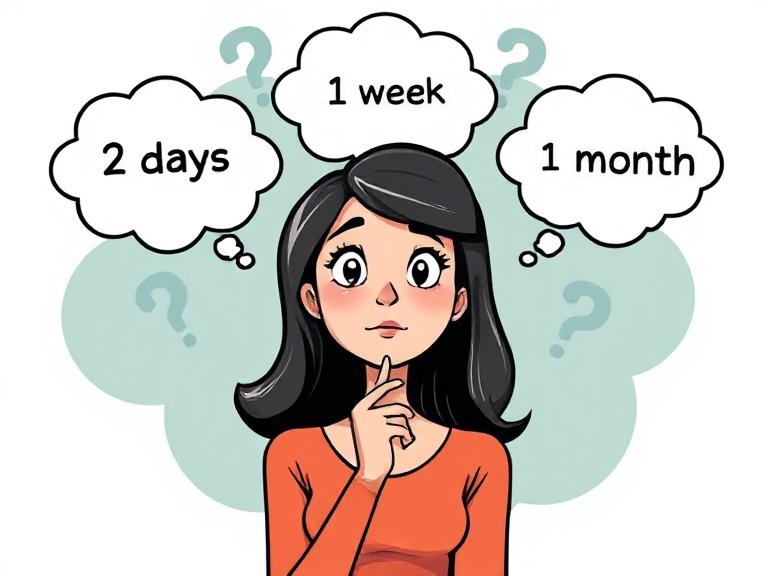
Wondering how long do different acne treatments take to show results? The answer depends on the type of treatment, your skin’s sensitivity, and the severity of your breakouts. Some solutions offer visible improvements in just days, while others require weeks or even months of consistent use. To help you set realistic expectations and stay committed, we’ve ranked the most common acne treatments from fastest to slowest based on when results typically appear.
1. Clay Masks (Immediate to 1 week)
Masks made with kaolin or bentonite clay work quickly by absorbing excess oil and drawing impurities from the pores. You can often see a visible reduction in oiliness and smaller breakouts within hours or after a single use. While not a long-term solution, they’re a great quick fix for flare-ups or oily skin days.
2. Benzoyl Peroxide (2–7 days)
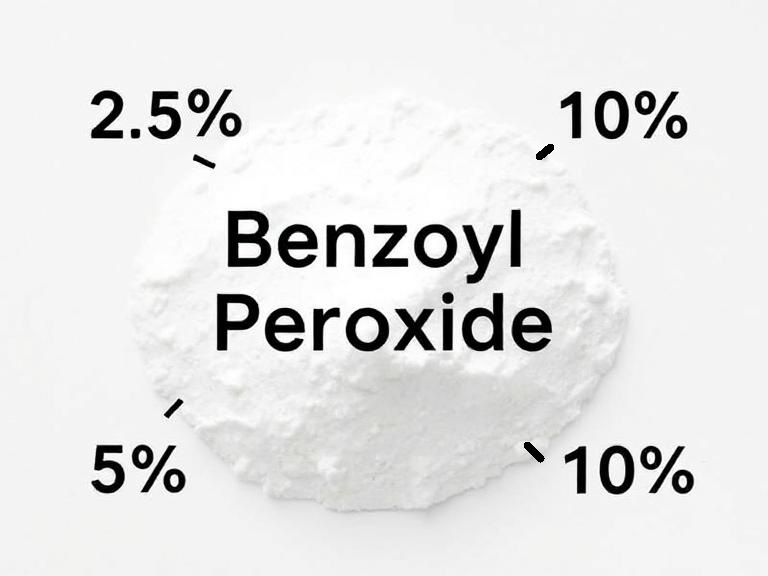
Benzoyl peroxide is a potent antibacterial that quickly reduces inflammation and kills acne-causing bacteria. Spot treatments can shrink small pimples in just a few days. Be cautious with overuse, as it can cause dryness or irritation.
3. Salicylic Acid (1–2 weeks)
This beta hydroxy acid exfoliates inside the pores, clearing out oil and dead skin cells. It’s ideal for blackheads and mild acne, with smoother skin and fewer breakouts appearing within the first two weeks. Regular use is key for sustained benefits.
4. Tea Tree Oil (1–3 weeks)
With natural antibacterial and anti-inflammatory properties, diluted tea tree oil can improve mild acne within a few weeks. It’s a plant-based alternative to harsher chemicals. Be mindful of skin sensitivity and always dilute it before applying.
5. Niacinamide (2–4 weeks)
Niacinamide (Vitamin B3) helps reduce inflammation, regulate oil production, and calm redness. It’s well-tolerated and suitable for most skin types. Noticeable improvements in tone and texture can be seen within a few weeks of consistent use.
6. Apple Cider Vinegar (2–4 weeks)
Used as a diluted toner, apple cider vinegar offers antibacterial and exfoliating effects. Mild acne and post-breakout marks may improve within two to four weeks. Always dilute to avoid irritation or chemical burns.
7. Topical Retinoids (2–6 weeks)
Retinoids like adapalene or tretinoin increase cell turnover and keep pores clear, often causing initial purging. Clearer skin typically starts to appear around 4–6 weeks. Long-term use leads to smoother skin and reduced acne recurrence.
8. Azelaic Acid (4–8 weeks)
Azelaic acid gently exfoliates and fights bacteria while calming redness. Particularly effective for acne and pigmentation, users often report noticeable improvement within one to two months. It’s also safe for sensitive skin and rosacea-prone types.
9. Oral Antibiotics (4–6 weeks)
Medications like doxycycline and minocycline work internally to reduce inflammation and bacteria. Improvement generally begins after a month of consistent use. They’re best used short-term to avoid resistance.
10. Zinc Supplements (4–8 weeks)
Zinc reduces oil production and supports immune function, making it effective against inflammatory acne. It may take 4 to 8 weeks to notice clearer skin. Often used in conjunction with other treatments for best results.
11. Blue Light Therapy (4–12 weeks)
This non-invasive treatment targets acne-causing bacteria with specific light wavelengths. While some improvement may be seen after a few sessions, full results typically appear after 1–3 months of regular use. Often used in dermatology clinics or at-home devices.
12. Dietary Changes (6–12 weeks)
Reducing sugar, dairy, and high-glycemic foods may help improve hormonal and inflammatory acne. It takes 6–12 weeks of consistent diet adjustments to start seeing skin changes. Results vary widely depending on individual triggers.
13. Probiotics (8–12 weeks)
Probiotics balance gut health, which may indirectly reduce inflammation and acne. This internal shift takes time, with visible changes typically occurring after two to three months. Best used as part of a holistic skincare and wellness approach.
14. Isotretinoin (Accutane) (8–16 weeks)
A powerful oral retinoid for severe acne, isotretinoin begins to show results after 8 weeks, with significant clearance by months 4–6. Due to its strength and side effects, it requires close medical supervision and is considered a last resort for stubborn cases.
15. Lifestyle Changes (Exercise, Sleep, Stress Reduction) (2–6 months)
Better sleep, reduced stress, and regular exercise support hormonal balance and overall skin health. These long-term habits can take months to translate into noticeable skin improvements but contribute significantly to preventing future breakouts.
16. Herbal Remedies (e.g., Burdock Root, Spearmint Tea) (3–6 months)
Herbs like spearmint (especially for hormonal acne) and burdock root work slowly to detoxify and balance internal systems. Expect 3 to 6 months of regular use before noticeable improvements. These are best as part of a broader, natural acne care plan.ke 3–6 months to fully evaluate. Often used as complementary treatments.
Conclusion
Treating acne isn’t a one-size-fits-all journey—and neither is the timeline for seeing clear skin. Understanding how long different acne treatments take to show results can help you stay patient and consistent. While fast-acting options like benzoyl peroxide or salicylic acid may bring quick relief, longer-term strategies such as dietary changes or lifestyle adjustments require more time and dedication. The key is to know your skin, use the right combination of treatments, and give each one the time it needs to work. Clearer skin is absolutely possible—with the right plan and a bit of patience.
Related Posts: