Acne is one of the most common skin concerns, affecting people of all ages. Whether it’s a pesky pimple or persistent breakouts, understanding the root causes can help you manage and prevent acne more effectively. In this article, we’ll explore the most common causes of acne and how to identify them.
1. Excess Sebum Production 💦
What it is: Sebum is a natural oil produced by your skin’s sebaceous glands, designed to keep your skin and hair hydrated and protected. It’s an essential part of healthy skin, but when these glands go into overdrive, they can produce too much sebum, leading to clogged pores and acne. Excess sebum creates a sticky environment that traps dead skin cells, bacteria, and debris, forming the foundation for blackheads, whiteheads, and more severe forms of acne like cysts.
How to identify it: If your skin feels persistently oily, particularly in the T-zone (forehead, nose, and chin), you’re likely dealing with excess sebum production. You might notice a shiny or greasy appearance on your skin by midday, even after cleansing. This oiliness can leave a residue on your fingers when you touch your face or cause makeup to slide off quickly.
2. Clogged Pores from Dead Skin Cells 😣
What it is: Dead skin cells can accumulate on the skin’s surface and mix with sebum, blocking hair follicles. This leads to comedonal acne, like blackheads and whiteheads.
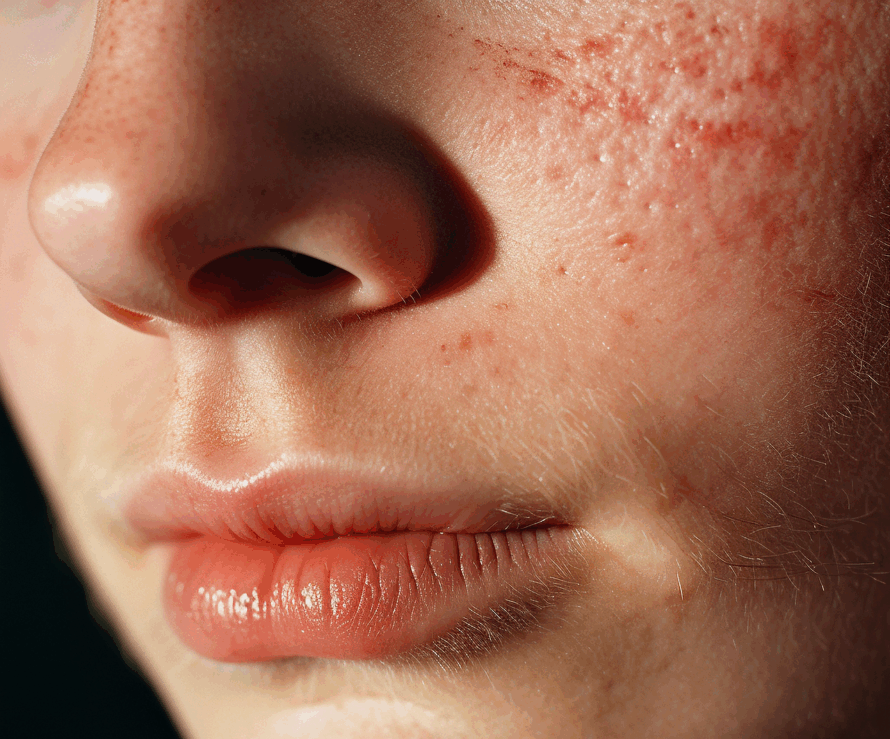
How to identify it: Look for small, dark spots (blackheads) or tiny, white bumps (whiteheads) on your face, chest, back, or shoulders. Blackheads appear dark because the trapped sebum and dead skin cells oxidize when exposed to air, while whiteheads remain covered by a thin layer of skin, giving them a white or flesh-toned appearance. Your skin might feel rough, bumpy, or uneven in texture, especially in areas prone to congestion like the nose, forehead, or chin. If you run your fingers over these areas, you may notice a slightly grainy or textured feel, even if the blemishes aren’t always visible. Comedonal acne is often more noticeable in oily skin types or during humid weather.
3. Bacterial Buildup 🦠
What it is: The bacteria Cutibacterium acnes naturally lives on your skin. When pores are clogged, these bacteria multiply, causing inflammation and pus-filled pimples.
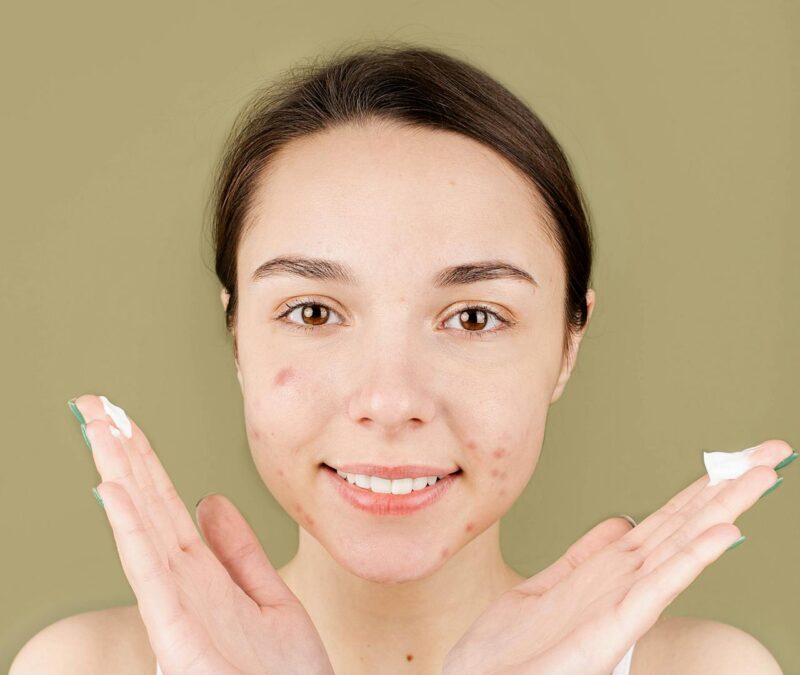
How to identify it: Look for red, inflamed pimples or pustules that are often tender or painful to the touch. These breakouts are typically larger and more noticeable than blackheads or whiteheads and may feel warm due to inflammation. They commonly appear on the cheeks, jawline, chin, or even the back and chest—areas with dense sebaceous glands. Pustules, which have a white or yellowish pus-filled center, are a clear sign of bacterial involvement. In severe cases, you might develop nodules or cysts, which are deeper, harder, and more painful lumps under the skin. If your acne feels sore or looks red and angry, C. acnes is likely contributing to the problem.
4. Hormonal Fluctuations 🔄
What it is: Hormonal fluctuations are a major driver of acne for many people. Hormones like androgens (e.g., testosterone) stimulate the sebaceous glands to produce more sebum, the skin’s natural oil. This excess oil can clog pores, while hormonal changes can also disrupt the normal shedding of dead skin cells, leading to blockages in hair follicles. These conditions create a perfect storm for acne, from mild blackheads to painful cystic pimples.
How to identify it: Hormonal acne has a distinct signature. It often appears along the lower third of the face—think jawline, chin, or lower cheeks. These breakouts tend to be deep, cystic, and tender, rather than surface-level blackheads or whiteheads. You might notice a pattern tied to specific times, such as flare-ups right before or during your menstrual cycle, which is a hallmark of hormonal acne. Other life stages, like puberty, pregnancy, postpartum, or menopause, can also bring on these breakouts. For example, teenagers often experience hormonal acne due to surging androgens, while adults with conditions like polycystic ovary syndrome (PCOS) may see persistent acne due to elevated hormone levels.
5. Diet and Lifestyle Factors 🥗🏃
What it is: Certain foods and lifestyle habits can exacerbate acne for some people, though the connection varies individually.
How to identify it: Pay attention to your skin after consuming certain foods. Dairy products, especially milk and cheese, are among the most well-documented acne triggers. Studies suggest that dairy can increase insulin and insulin-like growth factor (IGF-1) levels, which boost sebum production and inflammation. Skim milk, in particular, has been strongly linked to acne in research. High-glycemic foods—like sugary snacks, white bread, or processed carbs—can also spike blood sugar and insulin, potentially worsening breakouts. If you notice pimples popping up a day or two after indulging in ice cream or a sugary dessert, diet could be a factor.
Beyond food, lifestyle habits matter too. Chronic stress can elevate cortisol, which mimics the effects of androgens and increases oil production. Lack of sleep or dehydration may leave your skin looking dull and more prone to congestion, amplifying acne symptoms. If your breakouts seem to flare up during stressful weeks, after late nights, or when you’re not drinking enough water, lifestyle could be playing a role.
Final Thoughts
Acne is complex, and multiple factors often work together to cause breakouts. By identifying the signs—like oily skin, clogged pores, or inflamed pimples—you can pinpoint the likely culprits and tailor your skincare routine.
Related Posts:
What Is the Most Common Cause of Acne?
14 Surprising Causes of Acne: Hormones, Diet, Stress & More Explained