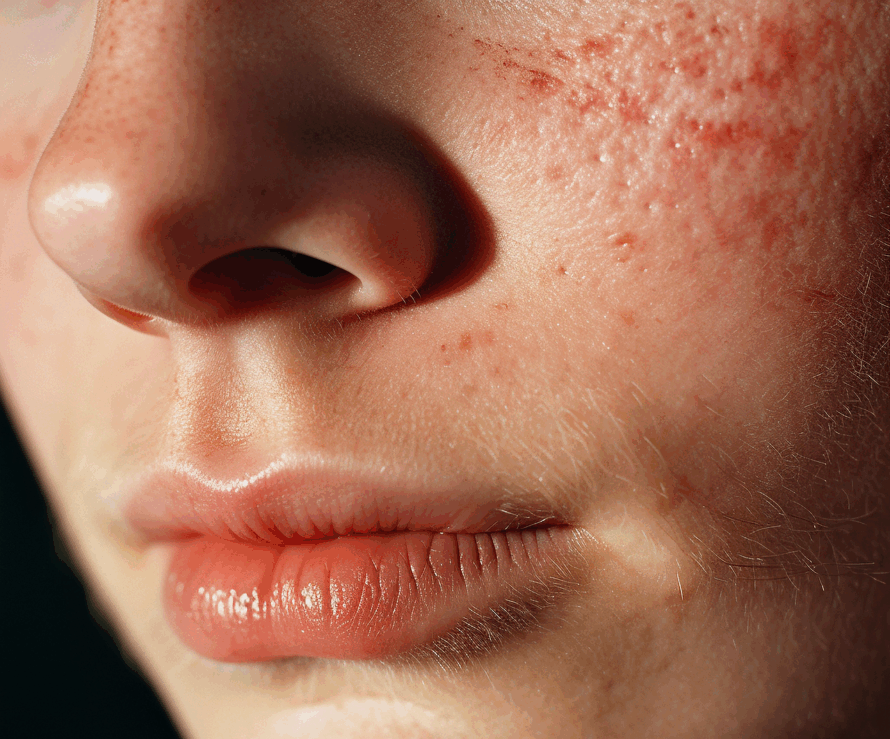
Acne is one of the most common skin conditions in the world, affecting people of all ages—but especially teenagers and young adults. While there are several contributing factors, the most common cause of acne is excess oil (sebum) production.
Let’s break down how that works and what it means for your skin.
The Root of the Problem: Sebum Overload 💦
Your skin naturally produces an oily substance called sebum, which helps keep it moisturized and protects against environmental damage. Sebum is secreted by sebaceous glands, which are most abundant on the face, chest, and back—coincidentally, where acne often shows up.
The trouble starts when the body produces too much sebum. This can clog hair follicles, especially when combined with dead skin cells. The result? Blocked pores, which can lead to whiteheads, blackheads, and the red, inflamed bumps we typically associate with acne.
Why Does the Skin Produce Excess Sebum? 🤔
There are a few key reasons:
- Hormones: Hormonal fluctuations—especially increases in androgens like testosterone—stimulate sebaceous glands to ramp up oil production. This is why acne is so common during puberty, menstruation, pregnancy, and in conditions like polycystic ovary syndrome (PCOS).
- Genetics: If your parents had acne, there’s a higher chance you will too. Genetics can influence everything from oil production to how your skin responds to inflammation.
- Stress: While stress doesn’t directly cause acne, it can worsen it by affecting hormone levels and increasing inflammation.
- Diet and Lifestyle: Certain foods (like high-glycemic carbohydrates and dairy) may contribute to increased sebum production and inflammation in some people. Poor skincare habits can also clog pores further.
Managing Excess Sebum to Prevent Acne 👌
Since excess sebum is the most common trigger for acne, the key to prevention lies in balancing oil production and keeping pores clear. Rather than trying to eliminate oil completely—which can backfire and cause more production—the goal is to regulate sebum levels and reduce buildup.
Here are some effective ways to manage excess oil and prevent breakouts:
- Use gentle, oil-balancing cleansers – Look for formulas with ingredients like salicylic acid, niacinamide, or zinc, which help control sebum without stripping the skin.
- Incorporate retinoids – Retinoids like adapalene or tretinoin help regulate skin cell turnover and reduce the risk of clogged pores from excess oil and dead skin.
- Apply clay masks weekly – Masks with ingredients like kaolin or bentonite clay absorb excess oil and help detoxify the skin surface.
- Use oil-free, non-comedogenic products – These are specially formulated not to clog pores and can help minimize additional buildup on already oily skin.
Conclusion
So, what is the most common cause of acne? Excess sebum production. When your skin produces too much oil, it clogs pores, traps bacteria, and sparks inflammation—all of which lead to breakouts. While other factors like hormones, genetics, and lifestyle play a role, it all often starts with oil overload.
The good news is that by understanding this root cause, you can take targeted steps to manage it. From using the right skincare products to addressing hormonal imbalances, keeping sebum in check is your best defense against acne.
14 Surprising Causes of Acne: Hormones, Diet, Stress & More Explained
How to Make a Simple Acne Mask at Home (Just 2 Ingredients You Already Have!)
Sebum analysis of individuals with and without acne