
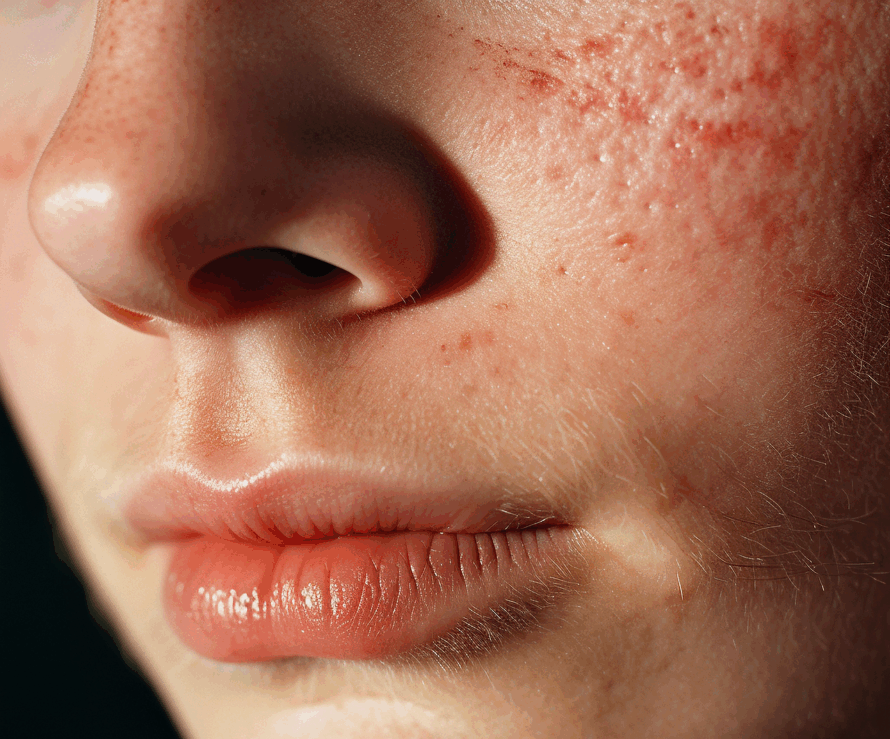
Acne—the uninvited guest that shows up on your skin at the worst possible times. Whether it’s a single pimple before a big event or persistent breakouts, acne can be frustrating and confusing. While it’s tempting to blame it all on greasy pizza or not washing your face enough, the truth is that acne is caused by a complex interplay of factors. Let’s dive into the possible causes of acne and shed some light on why those pesky pimples keep popping up.
1. Excess Sebum Production 🧴
Your skin produces sebum, a natural oil that keeps it hydrated and protected. However, when your sebaceous glands go into overdrive, they can produce too much oil, clogging pores and creating a breeding ground for acne-causing bacteria. Hormonal changes, particularly during puberty, menstruation, pregnancy, or menopause, often trigger this overproduction. Androgens, a group of hormones, are particularly notorious for revving up sebum production, which is why teenagers are often hit hardest by acne.
Treatment
Controlling excess oil starts with gentle, non-comedogenic skincare. Look for cleansers with salicylic acid or benzoyl peroxide to help break down oil and reduce bacteria. Topical retinoids can regulate cell turnover and prevent clogged pores. In more severe cases, dermatologists may prescribe oral contraceptives or anti-androgens like spironolactone to balance hormones and reduce sebum production.
2. Bacteria and Inflammation 🦠
Meet Cutibacterium acnes (formerly Propionibacterium acnes), the bacteria that lives on your skin and loves to feast on sebum. When pores get clogged, this bacteria can multiply, triggering an immune response that leads to redness, swelling, and those painful red pimples. While C. acnes is a normal part of your skin’s microbiome, an imbalance—caused by excess oil or irritation—can turn it into a troublemaker.
Treatment
Antibacterial treatments such as benzoyl peroxide, topical clindamycin, or erythromycin help reduce bacterial load and inflammation. Combining these with retinoids or salicylic acid can enhance results. In moderate to severe cases, oral antibiotics or isotretinoin may be necessary to reduce bacterial colonization and inflammation systemically.
3. Clogged Pores 🚫
Dead skin cells are supposed to shed naturally, but sometimes they stick around, mixing with excess sebum to form a sticky plug in your pores. This creates blackheads, whiteheads, or the perfect environment for inflammation and acne. Factors like improper skincare routines, heavy makeup, or not cleansing thoroughly can contribute to this clogging process. Even sweat, if not washed off after a workout, can trap dirt and oil, making matters worse.
Treatment
Exfoliation is key—opt for chemical exfoliants like salicylic acid or glycolic acid to dissolve buildup inside pores. Use non-comedogenic makeup and ensure thorough cleansing, especially after sweating. Incorporating a retinoid helps normalize skin cell turnover and prevent future clogging.
4. Hormonal Fluctuations ⚖️
Hormones are a major player in the acne game. Beyond puberty, hormonal shifts during menstrual cycles, pregnancy, or conditions like polycystic ovary syndrome (PCOS) can lead to breakouts. Certain medications, like corticosteroids or hormonal contraceptives, can also mess with your hormone levels and spark acne flare-ups. Stress is another sneaky culprit—it raises cortisol levels, which can indirectly boost sebum production and inflammation.
Treatment
Hormonal acne may respond well to oral contraceptives or anti-androgens like spironolactone. For PCOS-related acne, managing the condition through diet, medication, and hormonal therapy is crucial. Stress reduction techniques—like mindfulness or yoga—can also help balance cortisol levels.
5. High-Glycemic Diets 🍬
What you eat can influence your skin more than you might think. Foods with a high glycemic index—like sugary snacks, white bread, or processed carbs—can cause rapid spikes in blood sugar and insulin levels. These spikes may stimulate the production of insulin-like growth factor (IGF-1), which can increase sebum production and trigger inflammation, leading to acne in some individuals. Opting for low-glycemic foods like whole grains, vegetables, and legumes may help keep your skin clearer.
Treatment
Shifting to a low-glycemic diet with whole grains, fruits, vegetables, and lean proteins can stabilize blood sugar and potentially reduce acne flare-ups. Keeping a food journal may help identify personal dietary triggers.
6. Dairy Consumption 🧀
Dairy products, especially milk, have been linked to acne in multiple studies. Milk contains hormones and growth factors that can stimulate oil glands and promote inflammation. Skim milk, in particular, has been associated with a higher risk of acne, possibly due to its higher concentration of certain proteins. If you suspect dairy is a trigger, try cutting back on milk, cheese, or yogurt for a few weeks to see if your skin improves.
Treatment
Consider an elimination diet: cut out dairy for 3–4 weeks and monitor your skin. If improvement occurs, try reintroducing dairy gradually to identify specific culprits (e.g., skim milk vs. cheese). Alternatives like almond or oat milk may be better tolerated.
7. Chronic Stress 😓
Stress doesn’t directly cause acne, but it can make it worse. When you’re stressed, your body pumps out cortisol, a hormone that can increase sebum production and inflammation. This creates a vicious cycle where acne causes stress, and stress causes more acne. Practices like mindfulness, exercise, or getting enough sleep can help manage stress and potentially reduce breakouts.
Treatment
Incorporate stress-reducing activities such as meditation, exercise, or hobbies. Good sleep hygiene, deep-breathing techniques, and setting boundaries to reduce overwhelm can support skin health indirectly by lowering stress levels.
8. Lack of Sleep 😴
Skimping on sleep can throw your body out of balance, affecting everything from hormone levels to immune function. Poor sleep may increase inflammation and stress hormones, both of which can exacerbate acne. Aim for 7-9 hours of quality sleep per night to give your skin—and your body—a chance to recover and regulate itself.
Treatment
Prioritize 7–9 hours of quality sleep per night. Create a relaxing bedtime routine, limit screen time before bed, and maintain a consistent sleep schedule to help your body—and your skin—restore balance.
9. Dehydration 💧
Your skin needs proper hydration to function optimally. When you’re dehydrated, your skin may produce more oil to compensate, potentially leading to clogged pores and breakouts. Drinking enough water (about 8-10 cups a day, depending on your activity level) and using a lightweight, non-comedogenic moisturizer can help maintain your skin’s balance.
Treatment
Drink plenty of water daily (aim for 8–10 cups) and use hydrating skincare with hyaluronic acid. Apply a lightweight, non-comedogenic moisturizer to help lock in hydration without worsening oiliness.
10. Pollution and Environmental Irritants 🌫️
Living in a city or an area with high pollution can take a toll on your skin. Tiny particles from car exhaust, smoke, or industrial pollutants can settle on your face, mixing with oil and clogging pores. Pollution may also generate free radicals that irritate the skin and trigger inflammation. Regular cleansing and using antioxidant-rich skincare products can help protect your skin from environmental damage.
Hot, humid weather can increase sweat and oil production, creating a perfect storm for clogged pores. On the flip side, cold, dry weather can strip your skin of moisture, prompting it to overproduce oil as a defense mechanism. Both extremes can contribute to acne. Adjusting your skincare routine to suit the climate—like using a lighter moisturizer in humid conditions or a richer one in dry weather—can make a difference.
Treatment
Cleanse your face thoroughly each night to remove pollutants. Antioxidant-rich products (like those with vitamin C or green tea extract) can protect the skin. Adjust your routine based on climate—light moisturizers in humidity, richer ones in dry weather.
11. Comedogenic Skincare and Hair Products 💄
Not all skincare or hair products are created equal. Ingredients like coconut oil, cocoa butter, or certain silicones can clog pores, especially if you have acne-prone skin. Hair products like pomades or gels can also transfer to your forehead or cheeks, causing breakouts along the hairline. Check product labels for “non-comedogenic” claims, and always remove makeup or styling products thoroughly at the end of the day.
Treatment
Switch to non-comedogenic skincare and cosmetics. Avoid heavy oils or waxes if you’re acne-prone. Wash off all makeup and hair product residue thoroughly before bed, and tie hair back if using oily styling products.
12. Unhygienic Habits 🧼
Your daily habits might be secretly sabotaging your skin. Sleeping on a dirty pillowcase, touching your face with unwashed hands, or using a grimy phone screen can transfer bacteria, oil, and dirt to your skin, leading to clogged pores and acne. Washing your pillowcases weekly, cleaning your phone regularly, and keeping your hands off your face can help minimize these risks.
Treatment
Adopt clean habits: change pillowcases weekly, wipe down your phone daily, and avoid touching your face unnecessarily. Always wash your hands before applying skincare or makeup.
13. Genetics 🧬
If your parents battled acne, you might be more prone to it too. Genetics can influence how much sebum your skin produces, how sensitive your pores are to clogging, or how your immune system responds to bacteria. While you can’t change your DNA, understanding your family history can help you anticipate and manage acne triggers.
Treatment
While you can’t change your genetics, you can tailor treatments to your skin’s needs. Consistent skincare with active ingredients like retinoids, benzoyl peroxide, or salicylic acid can help manage genetically-influenced acne. A dermatologist can recommend long-term strategies if over-the-counter products aren’t enough.
14. Medications and Medical Conditions 💊
Certain medications, like lithium, anticonvulsants, or anabolic steroids, can list acne as a side effect. Medical conditions like PCOS or endocrine disorders can also disrupt hormone levels, leading to persistent breakouts. If you suspect a medication or underlying condition is causing your acne, it’s worth chatting with a healthcare provider to explore alternatives or treatments.
Treatment
Speak to your healthcare provider if you suspect a medication is causing breakouts—they may suggest alternatives or add treatments to manage the acne. Managing medical conditions like PCOS with appropriate therapies can significantly improve skin clarity.
Final Thoughts
Acne is rarely caused by just one thing—it’s usually a mix of factors ganging up on your skin. The good news? Understanding these causes can help you take control. A consistent skincare routine, a balanced diet, stress management, and, if needed, professional advice from a dermatologist can go a long way in keeping breakouts at bay.
What’s the Difference Between Acne and Pimples?
How to Avoid Touching Your Face When Suffering from Acne
Do Cold Showers Help with Acne? 🚿❄️
Acne vulgaris: A review of the pathophysiology, treatment, and recent nanotechnology based advances
Thanks, a great post.